Showing posts with label Lammas Day. Show all posts

Wednesday, February 8, 2023

Lammas Day: A Ritual of Gratitude for the Changing Seasons

Essential elements for this ritual are sheaves of grain (such as wheat or barley), a cauldron, water, one floating candle, one candle for each person present, and essential oils of rose, lavender, or other summer flowers.

Your Lammas Day ritual should be held on August first, the beginning of the harvest season in the ancient cycle of the year. To create the sacred space of the ritual, arrange the sheaves of grain in the four directions around a cauldron. Fill the cauldron three-quarters full with water, then add essential oils of the flowers of summer. Cast your circle in the usual manner. 

At this point, the leader of the ritual should light the candles and then hand them to each person and guide the participants to form a circle around the cauldron. Now the floating candle should be lit and placed in the cauldron by the leader, who says:

    O Ancient Lugh of days long past,

    be here with us now

    in this place between worlds,

    on this Lammas Day.

Rap three times on the cauldron and say:

    Harvest is here and the seasons do change,

    this is the height of the year.

    The bounty of summer sustains us

    in spirit, in soul, and in body.

Now the group circles five times around the cauldron. All present should then speak their gratitude for the gifts of the season and the riches of the summer’s bounty. Storytelling, singing, and dancing should all be a part of this rite; when the tales have been told and the songs have been sung, the leader determines when the rite is done by putting out the candles and proclaiming:

    This rite is done!

Close the circle.

You can create your own variations on this Lammas Day celebration, incorporating your own views on the summer season and how you show appreciation to nature and spirit. One lovely way to celebrate Lammas Day, anciently named Lughnasa in Celtic cultures, is to have a feast that begins and ends with gratitude and blessings for the food and wine, with a place set and food set aside for the great godly guest, Lugh.

Friday, August 5, 2022

Major and Lesser Sabbats

Four Major Sabbats

Candlemas—February 2 

Beltane—May 1 

Lammas—August 1 

Samhain—October 31

Four Lesser Sabbats

Vernal Equinox—March 20 

Summer Solstice—June 24 

Autumn Equinox—September 23 

Winter Solstice/Yule—December 21

Friday, June 24, 2022

Lammas Day, August Eve Ritual

Essential elements for this ritual are wheat or barley, sheaves of grain, cauldron, water, one floating candle, one candle for each person present, and essential oils of rose, lavender, or other summer flowers.

To create the sacred space of the ritual, arrange the sheaves of grain in the four directions around a cauldron. Fill the cauldron three-quarters full with water and add essential oils of the flowers of summer. Cast your circle in the usual manner.

At this point, the leader of the ritual should light the candles and then hand them to each person and guide the participants to form a circle around the cauldron. Now the floating candle should be lit and placed in the cauldron by the leader, who says:

O Ancient Lugh of days long past, 

Be here with us now

In this place between worlds,

On this Lammas Day

Rap three times on the cauldron and say:

Harvest is here and the seasons do change, 

This is the height of the year.

The bounty of summer sustains us

In spirit, in soul, and in body.

Now the group circles five times around the cauldron. All present should then speak their gratitude for the gifts of the season, and the riches of the summer bounty. Storytelling, singing, and dancing should all be a part of this rite, and the leader determines when the rite is done by putting out the candles and proclaiming:

This rite is done!

Close the circle.

There are many ways you can create your own variations on Lammas Day celebrations with your own views on the summer season and how you show appreciation to nature and spirit. One lovely way to celebrate Lammas Day is to have a feast that begins and ends with gratitude and blessings for the good and wine with a place set and food served for the great godly guest, Lugh. 

Tuesday, July 21, 2020

Lammas Day: Harvesting Happiness


This major sabbat denotes the high point of the year; the crops are in their fullness, weather is warm and the countryside is bursting forth with the beauty of life. Pagans know we have the heavens above to thank for this and the gods of nature must be acknowledged for their generosity with a gathering of the tribe and a feast, ideally in the great outdoors. Ask invitees to bring harvest- themed offerings for the altar: gourds, pumpkins, bundles of wheat stalks and corn, or fresh pickings from their garden, and food to share in thanksgiving made from the same, like pies, tomato salads, cucumber pickles, green beans, corn pudding, watermelon, lemon cakes, berry cucumber, apple cider and beer brewed from wheat, hops and barley. This celebration of the reaping from summer season should reflect what you have grown with your own hands. Fill your cauldron or a big beautiful colored glass bowl half-full with freshly-drawn water. Get packets of tiny votive candles for floating in the water. At the feast table, make sure to have a place- setting for the godly guest Lugh who watched over the plantings to ensure this bounty. Place loaves of Lammas bread by his plate.

When all guests have arrived, everyone should add a food offering to the plate of the god and light a candle to float in the cauldron. Cut a slice of Lammas bread for Lugh and begin the ceremony with this prayer of thanks:

Oh, ancient Lugh of the fields and farms,
We invite you here with open arms,
In this place between worlds, in flowering fields of hay.
You have brought the blessings we receive this Lammas Day.

Begin the feast and before the dessert course, everyone should go around the table and speak to their gratitude for the gifts of the year. Storytelling, singing, spiral dances and all manner of merriment is part of Lammas Day.

Monday, February 3, 2020

Lammas Day, August 2 – Harvesting Happiness

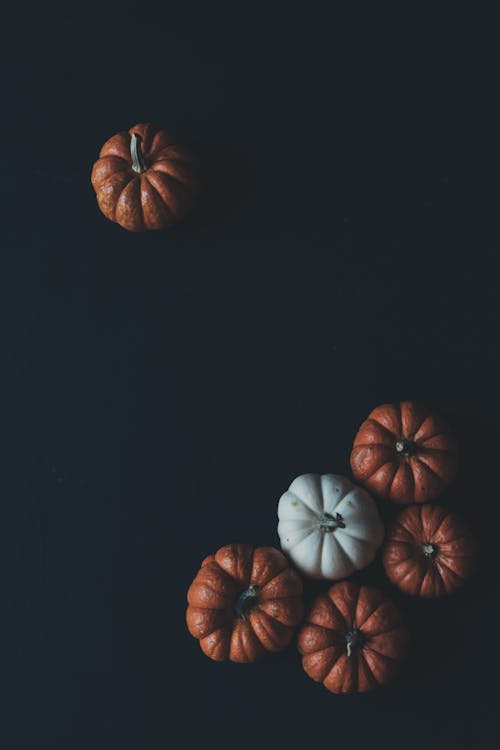
One and Five Brown Pumpkins
This major sabbat denotes the high point of the year; the crops are in their fullness, weather is warm and the countryside is bursting forth with the beauty of life. Pagans know we have the heavens above to thank for this and the gods of nature must be acknowledged for their generosity with a gathering of the tribe and a feast, ideally in the great outdoors. Ask invitees to bring harvest-themed offerings for the altar: gourds, pumpkins, bundles of wheat stalks and corn, or fresh pickings from their garden, and food to share in thanksgiving made from the same, like pies, tomato salads, cucumber pickles, green beans, corn pudding, watermelon, lemon cakes, berry cucumber, apple cider and beer brewed from wheat, hops and barley. This celebration of the reaping from summer season should reflect what you have grown with your own hands. Fill your cauldron or a big beautiful colored glass bowl half-full with freshly-drawn water. Get packets of tiny votive candles for floating in the water. At the feast table, make sure to have a place setting for the godly guest Lugh who watched over the plantings to ensure this bounty. Place loaves of Lammas bread by his plate.

When all guests have arrived, everyone should add a food offering to the plate of the god and light a candle to float in the cauldron. Cut a slice of Lammas bread for Lugh and begin the ceremony with this prayer of thanks:

Oh, ancient Lugh of the fields and farms, 
We invite you here with open arms, 
In this place between worlds, in flowering fields of hay. 
You have brought the blessings we receive this Lammas Day. 

Begin the feast and before the dessert course, everyone should go around the table and speak to their gratitude for the gifts of the year. Storytelling, singing, spiral dances and all manner of merriment is part of Lammas Day.